Commercial carpet doesn't fail all at once. Entryways grey, traffic lanes flatten and the whole floor starts to look tired years before the fibre is genuinely worn out — and replacement is expensive, disruptive and sends a lot of usable material to landfill. Scheduled restoration keeps it in service and looking maintained instead.
The work is different from a home visit. Occupied offices, retail floors and facilities need cleaning that fits around people and hours, dries fast enough not to close a space, and doesn't turn a Monday into a wet-floor obstacle course. That usually means after-hours scheduling and the right method for an occupied environment.
We're registered, bonded and insured, we quote transparently, and every visit comes with documentation — which is where the reporting and ESG side gets easy.
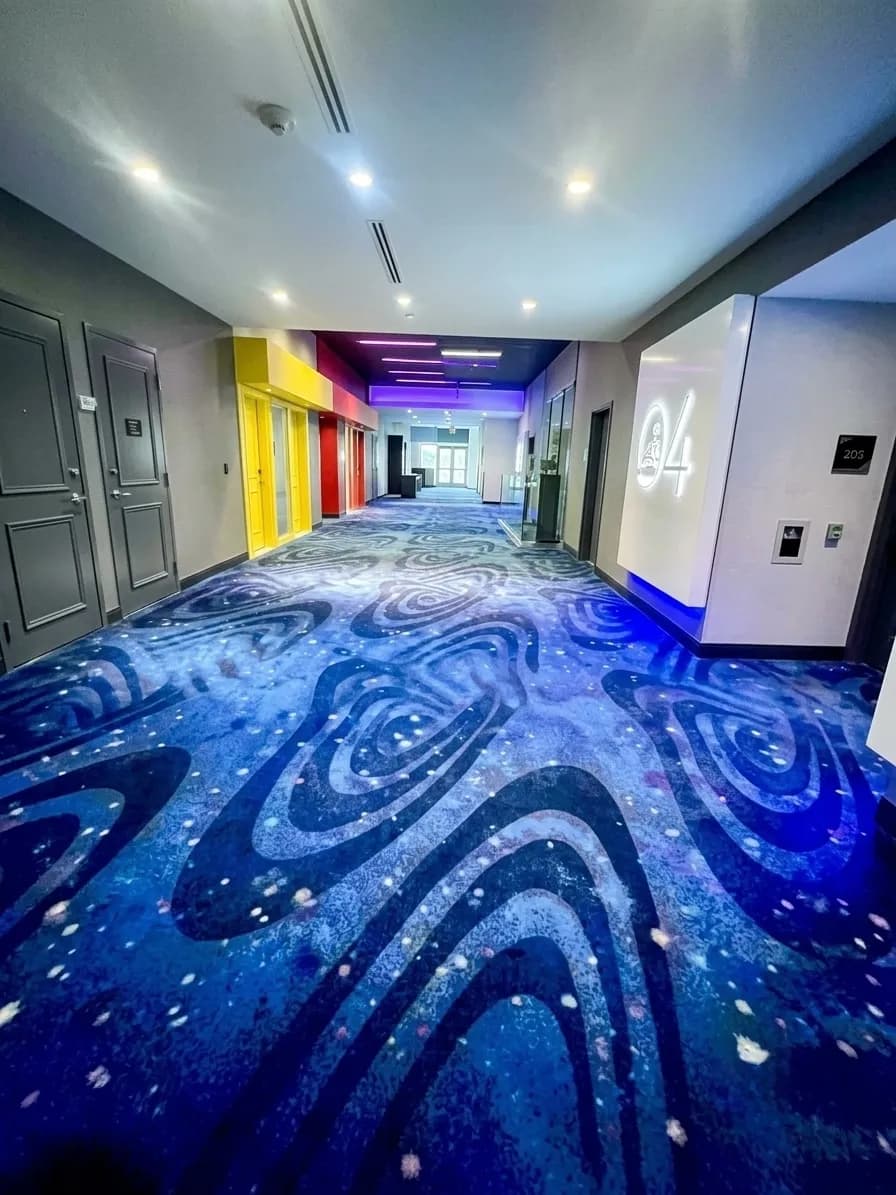
The method
Cleaning that fits your operation
We plan the work around your hours — after close, overnight or zone by zone so a space stays usable. High-traffic areas and entry matting get the attention they actually need rather than a uniform once-over that ignores where the wear is.
For occupied floors that can't afford long dry times, a low-moisture, fast-drying method keeps the space open; where a deeper restoration is warranted, truck-mounted extraction does the heavy lifting. Either way you get an itemised record of what was cleaned, when, and where.
Restore vs replace — and the ESG case
Replacing commercial carpet means capital cost, downtime, and tonnes of textile to the landfill. Restoring it extends the asset's usable life for a fraction of the price and keeps that material in service — a straightforward diversion story for a sustainability report.
Because every visit is documented, you have the paper trail to show the maintenance cycle and the landfill avoided, which is exactly the kind of specific, verifiable detail ESG reporting is supposed to contain.
Scheduling around your hours
Nobody wants cleaning crews underfoot during business hours or wet carpet greeting the first customer. We work after close or overnight and can move through a floor in zones, so the space is dry and ready when the doors open.
Maintenance programs
The cheapest way to keep commercial carpet looking maintained is not to let it get bad in the first place. Recurring visits — quarterly, or on a cadence that matches your traffic — cost less per clean and hold the appearance steady. Tell us the space and the footfall and we'll suggest a realistic schedule.